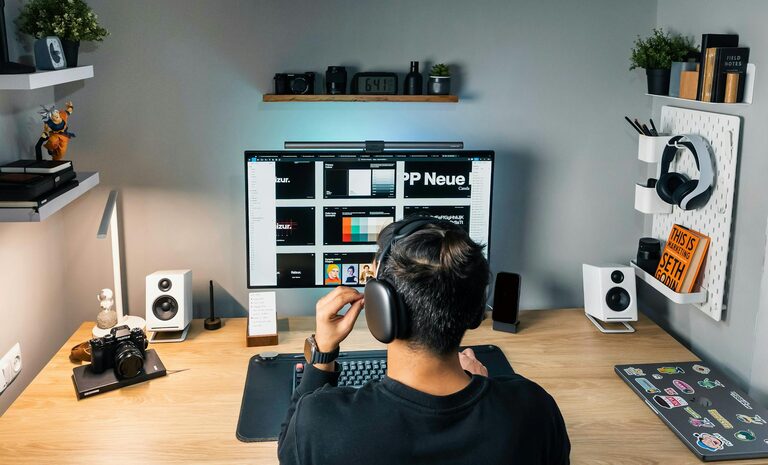
Creating a home workspace that is both calming and productive can make a significant difference to your workday. A well-designed space encourages focus, reduces stress, and helps maintain a healthy work-life balance. Whether you work from home full-time or occasionally, these tips will guide you in making your home office a calm and efficient environment.
Choose the Right Location
Find a Quiet Spot
Select a space that is away from the busiest areas of your home. A quieter spot reduces distractions and helps you concentrate more easily. If space is limited, consider using a room divider or screens to separate your workspace from common areas.
Maximise Natural Light
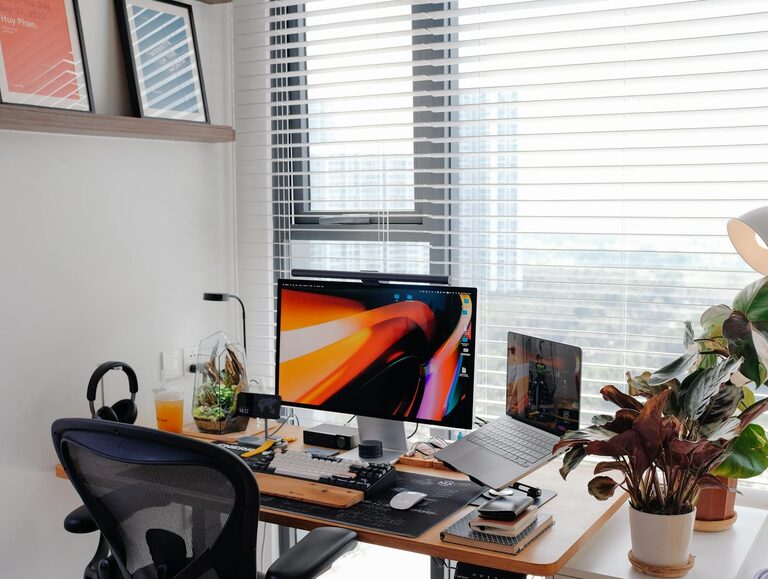
Natural light has been shown to improve mood and productivity. Position your desk near a window if possible, to take advantage of daylight. If natural light is limited, invest in good quality lighting that mimics daylight to avoid eye strain.
Prioritise Comfort and Ergonomics
Invest in a Comfortable Chair
Sitting for long periods requires a chair that supports your back and encourages good posture. An ergonomic chair can prevent discomfort and help you stay focused throughout the day.
Set Your Desk Correctly
Your desk height should allow your forearms to rest comfortably parallel to the floor. Position your computer screen at eye level to avoid neck strain. A tidy, organised desk also contributes to a sense of calm.
Organise Smartly
Declutter Your Space
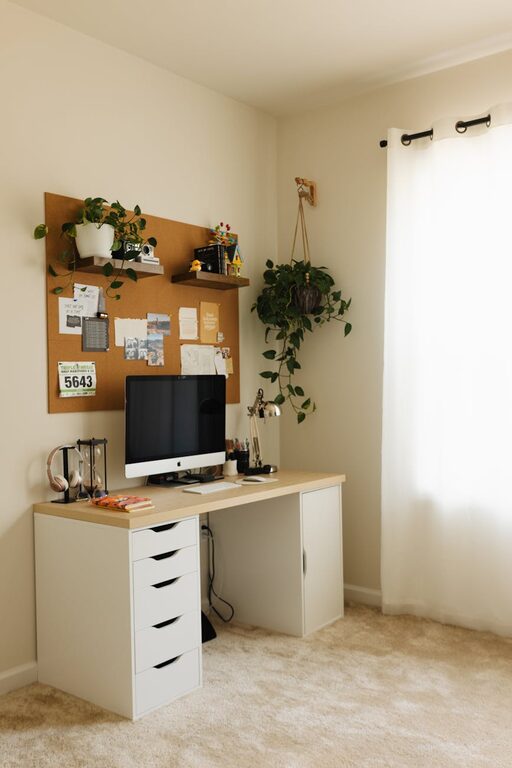
A cluttered desk can lead to a cluttered mind. Keep only essential items on your desk and store the rest out of sight. Use drawers, shelves, or organisers to keep your workspace tidy.
Use Storage Solutions
Consider using boxes, trays, or filing systems to keep papers and supplies in order. Label containers clearly to make items easy to find quickly.
Incorporate Calming Elements
Add Plants
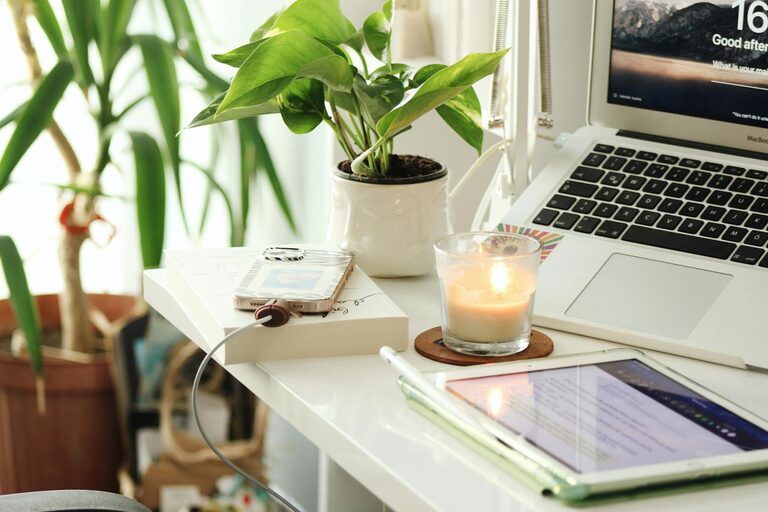
Indoor plants not only improve air quality but also add a touch of nature that can reduce stress and improve focus. Choose low-maintenance plants like succulents, spider plants, or peace lilies that thrive indoors.
Use Soothing Colours
Colours impact mood and productivity. Soft blues, greens, or neutrals are calming and help reduce anxiety. Avoid overly bright or harsh colours that might cause distraction or discomfort.
Include Personal Touches
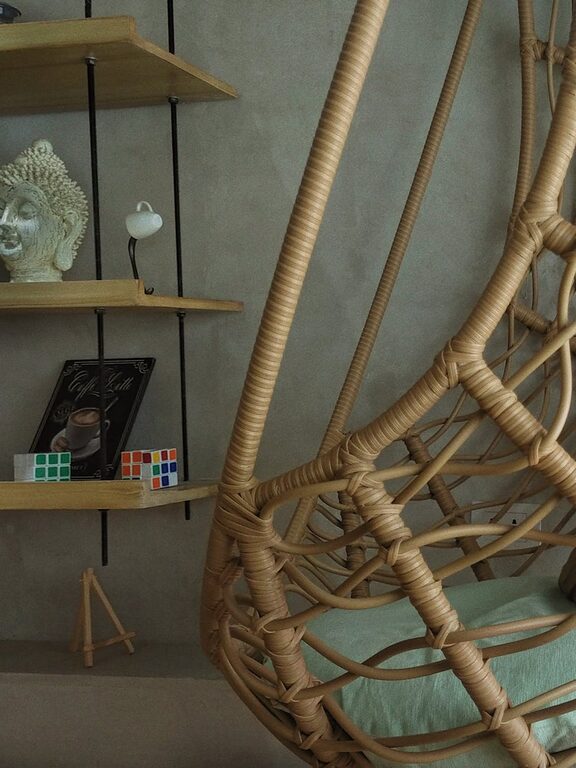
Adding items that make you happy, like photos, artwork, or inspirational quotes, can create a pleasant atmosphere without adding clutter.
Manage Noise and Distractions
Use Noise-Reducing Tools
If you cannot avoid noise, consider noise-cancelling headphones or white noise machines to maintain concentration.
Set Boundaries with Others
Inform family members or housemates of your work hours so they know when you need quiet. Setting clear boundaries helps minimise interruptions.
Establish a Routine and Breaks
Create a Start-and-Stop Ritual
Having a consistent routine signals to your brain when it’s time to focus and when to relax. This could be as simple as making a cup of tea before starting or organising your desk at the end of the day.
Take Regular Breaks
Short breaks help maintain productivity and reduce mental fatigue. Stretch, walk around, or practise breathing exercises to refresh your mind and body.
Use Technology Wisely
Avoid Digital Clutter
Keep your computer and devices organised with folders and regular clean-ups. Notifications can be distracting, so turn off non-essential alerts during work hours.
Choose Helpful Apps
Use productivity apps and tools that help with task management, time tracking, or focus (like timers for the Pomodoro technique).
Consider Air Quality and Temperature
Ventilate Your Workspace
Fresh air improves concentration and prevents tiredness. Open a window or use an air purifier if air circulation is poor.
Maintain Comfortable Temperature
A room that is too hot or too cold can affect your ability to concentrate. Aim for a comfortable temperature and use fans or heaters as needed.
Conclusion
Designing a calming and productive home workspace is about creating an environment that supports your work style and wellbeing. By carefully choosing your location, organising your space, incorporating calming elements, and managing distractions, you can make your home office a place where you enjoy spending time and get more done. Remember that small changes often make a big difference. Experiment with these tips and adapt them to suit your personal needs and preferences.