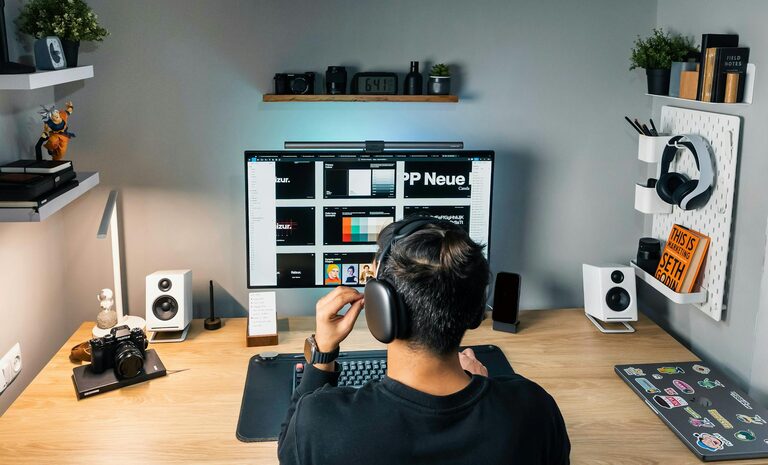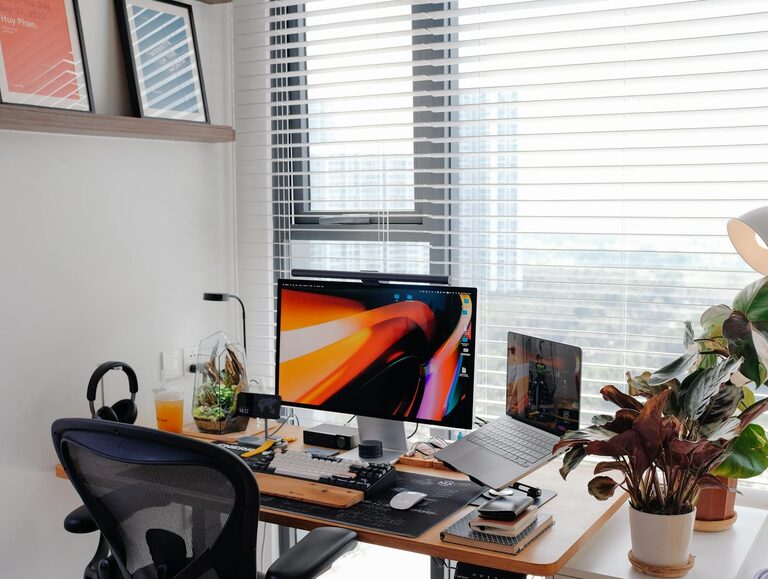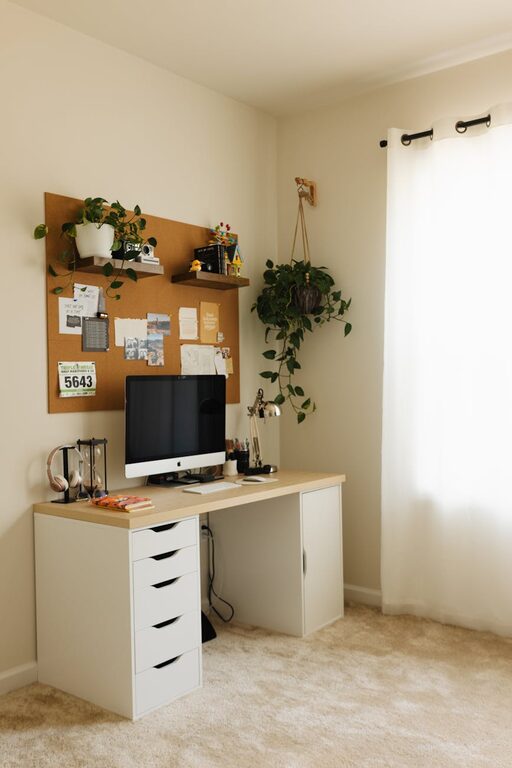
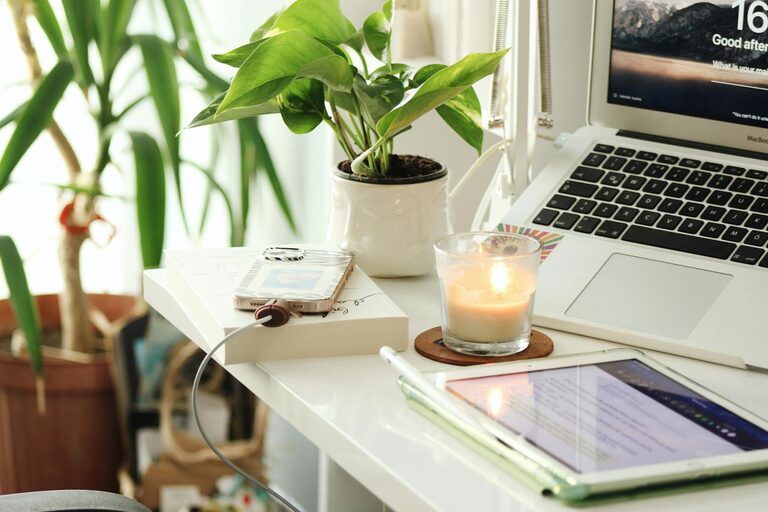
Creating a productive home workspace is essential for anyone working remotely or managing tasks from home. The right environment can increase focus, reduce distractions, and make your work more enjoyable. However, everyone’s lifestyle is different, so your workspace should reflect what suits you best. Here, we explore practical tips to help you design a workspace that supports your productivity while complementing your way of life.
Understand Your Work Needs
Before you start arranging your workspace, take a moment to consider what your work involves and what you need to do your tasks efficiently.
– Type of work: Do you mostly use a computer, or do you need space for writing, drawing, or video calls?
– Equipment: What tools, devices, or materials do you use daily?
– Work hours: Are you working traditional office hours, or do you have flexible or odd hours?
– Noise level: Do you require a quiet space or do you work better with some background noise?
Answering these questions will help you create a workspace that fits your daily routine.
Choose the Right Location
Selecting the right spot in your home for a workspace is key to productivity.
– Natural light: Position your desk near a window if possible to benefit from daylight, which can boost mood and energy.
– Minimise distractions: Pick a quiet corner away from high-traffic areas and household distractions.
– Dedicated space: Even a small, separate area is better than working from the couch or bed, as it signals a clear boundary between work and relaxation.
Invest in Comfortable, Functional Furniture
Your furniture plays a vital role in your comfort and ability to focus.
– Ergonomic chair: Choose a chair that supports your back and encourages good posture.
– Desk size: Your desk should accommodate your computer, accessories, and any paperwork with enough room to work comfortably.
– Adjustable furniture: Consider height-adjustable desks or standing desks to alternate your posture during the day.
Keep Your Workspace Organised
A tidy environment can help reduce stress and save time.
– Declutter regularly: Remove unnecessary items from your desk and storage.
– Storage solutions: Use shelves, drawers, or organisers to keep supplies and documents neat.
– Cable management: Tidy up cables with clips or boxes to avoid a tangled mess.
Personalise Your Space
Adding personal touches can make your workspace more inviting and motivating.
– Plants: Small indoor plants improve air quality and provide a touch of nature.
– Artwork or photos: Display pictures or artwork that inspire you.
– Lighting: Use desk lamps or soft lighting to create a comfortable atmosphere, especially if natural light is limited.
Establish Clear Boundaries
Working from home requires discipline to separate work time from personal time.
– Set a schedule: Try to start and finish work at consistent times.
– Use visual cues: Close your laptop or clear your desk at the end of the day to signify work is done.
– Communicate: Let family members or housemates know your work hours to minimise interruptions.
Optimise Technology and Tools
Your digital setup influences your productivity significantly.
– Reliable internet: Ensure you have a stable and fast internet connection.
– Quality equipment: Invest in a good keyboard, mouse, and headphones, especially if you attend frequent video calls.
– Backup power: Consider a surge protector or uninterruptible power supply if your area experiences outages.
Incorporate Movement and Breaks
Frequent breaks and physical activity help maintain focus and reduce fatigue.
– Scheduled breaks: Take short breaks every hour to stretch or walk around.
– Exercise space: If possible, keep some space nearby for stretches or light exercises.
– Eye care: Follow the 20-20-20 rule—every 20 minutes, look at something 20 feet away for 20 seconds to reduce eye strain.
Tailor Your Workspace to Your Lifestyle
Your workspace should align with how you live and work.
– Families: If you have children, set clear ‘do not disturb’ signals or choose times when the house is quieter.
– Shared spaces: Use noise-cancelling headphones or room dividers to create a sense of privacy.
– Flexibility: Create mobile work stations if you need to switch between rooms or outdoor areas.
Final Thoughts
Creating a productive home workspace that suits your lifestyle is about balancing practical needs with personal comfort. By carefully selecting your location, furniture, organisation system, and technology, you can build an environment that supports your work goals and wellbeing. Remember, a workspace is not a one-size-fits-all solution—feel free to experiment and adjust until it feels just right for you.