
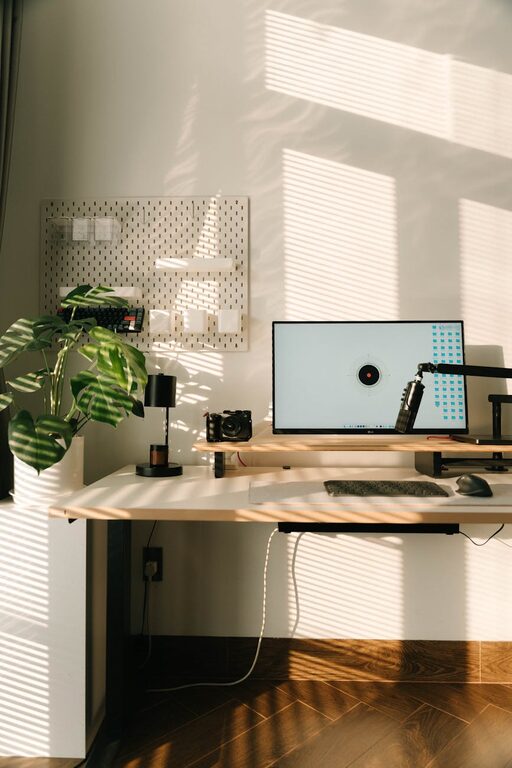
Creating a peaceful and organised home workspace is essential for maintaining focus, enhancing productivity, and supporting your overall wellbeing. With more people working from home than ever before, having a dedicated area that fosters calm and order can make a significant difference in how you work and feel throughout the day. Whether you have a small corner or a whole room available, these tips will help you design a workspace that suits your needs and keeps distractions at bay.
Why a Peaceful and Organised Workspace Matters
When your workspace is cluttered or chaotic, it can lead to increased stress, reduced concentration, and lower efficiency. On the other hand, a tidy and serene environment encourages clear thinking and creativity, allowing you to complete tasks more efficiently. Additionally, a designated workspace helps draw boundaries between work and home life, which is especially important if you’re working remotely.
Choosing the Right Location
Choosing the best spot in your home for your workspace is the first step towards creating a peaceful environment. Ideally, select a place that receives plenty of natural light, has good ventilation, and is away from noisy areas such as the kitchen or TV room. Window views can also be calming and provide a pleasant break when you look away from your screen.
Tips for Small Spaces
If space is limited, consider using a foldaway desk or a compact corner desk. Use vertical storage options like shelves or wall-mounted organisers to save floor space and keep essential items within easy reach.
Declutter and Organise
One of the main contributors to a stressful workspace is clutter. Begin by removing anything that isn’t related to your work. Papers, stationery, gadgets, or personal items should have a designated place.
Desk Organisation
– Use drawer dividers or organisers to keep stationery tidy.
– Label files and folders for easy access.
– Keep only the essentials on your desk surface.
– Use cable organisers to manage cords and prevent tangles.
Digital Decluttering
Don’t forget your digital workspace. Organise your computer files in well-labelled folders, delete unnecessary emails, and use apps or tools that help manage tasks and keep you on track.
Choose Calm and Neutral Colours
Colours can influence mood and productivity. Soft, neutral colours such as pale blues, soft greens, or warm greys can create a calming atmosphere. Avoid overly bright or harsh colours that may cause visual strain over time. If you prefer, add pops of colour through accessories like cushions or artwork, but keep the overall palette soothing.
Invest in Comfortable and Functional Furniture
Comfort is key when spending many hours at a desk. Choose an ergonomic chair that supports your posture and reduces strain on your back and neck. Your desk should be at a height where your arms can rest comfortably while typing.
Lighting Matters
In addition to natural light, invest in good quality lighting. Avoid harsh overhead lights and instead opt for adjustable desk lamps that provide focused illumination. This reduces eye strain and helps maintain alertness, especially in darker months.
Incorporate Personal and Natural Elements
Adding personal touches can make your workspace feel welcoming without causing distraction. Consider a few framed photos, inspirational quotes, or artwork that motivates you.
Plants are also excellent for creating a peaceful environment. They improve air quality and add a touch of nature, which can help reduce stress. Choose low-maintenance indoor plants like succulents, spider plants, or peace lilies.
Set Boundaries and Establish Routines
Clearly define when your workday begins and ends. This helps minimise the feeling of work creeping into your home life. Create routines such as starting your day with a tidy desk or ending it by filing papers and switching off your computer.
If you live with others, communicate your workspace boundaries respectfully. Use physical indicators like a closed door or a ‘do not disturb’ sign during busy periods.
Minimise Distractions
Reducing distractions is vital for maintaining focus and peace.
– Turn off non-essential notifications on your phone or computer.
– Use noise-cancelling headphones if your environment is noisy.
– Keep your workspace clean to avoid visual distractions.
Consider using background music or nature sounds if it helps you concentrate better.
Maintain Your Space Regularly
Creating a peaceful workspace isn’t a one-time task. Schedule regular tidying sessions to keep clutter under control and refresh your environment. Small daily habits, like clearing your desk at the end of each day, make maintaining order easier.
Final Thoughts
A peaceful and organised home workspace supports your productivity and wellbeing by providing a calm, comfortable environment in which to work. By choosing the right location, keeping clutter under control, selecting soothing colours, investing in ergonomic furniture, and setting clear boundaries, you can create a space that helps you work efficiently while feeling relaxed. Remember, your workspace should serve your needs, so feel free to adapt these tips to what works best for you.